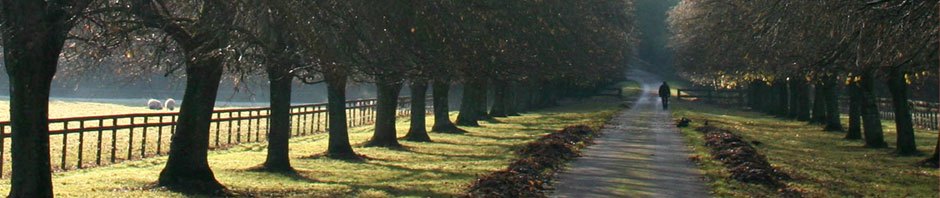
The crisp air of the Darling Downs carries the scent of eucalyptus and damp earth, a refreshing contrast to the bustling city life many of us young professionals know. Toowoomba, with its elevated position and surrounding natural beauty, offers a wealth of bushwalking opportunities, from gentle escarpment trails to more challenging hikes into the Great Dividing Range. Planning a safe and rewarding bushwalk here requires a thoughtful approach, balancing the desire for adventure with a clear understanding of potential risks and the modest costs involved.
Picture this: you’re standing at the trailhead of the Table Top Mountain track, the expansive views of Toowoomba spread out below like a patchwork quilt. The sky is a brilliant, cloudless blue, and a gentle breeze rustles through the dry grasses. This is the allure of Toowoomba’s natural playground. But even in this seemingly benign landscape, preparedness is paramount. For us, carving out time for these excursions is vital for mental well-being, and ensuring we return invigorated, not injured, is the ultimate goal.
Let’s break down the essential elements of planning your bushwalking safety in Toowoomba, from understanding the risks to the minimal costs and the crucial next steps.
Assessing the Risks: Nature’s Unpredictable Canvas
Toowoomba’s bushwalking environment, while generally safe, presents its own set of considerations. The most prevalent risks are often subtle but can have significant consequences if ignored. Weather, even in this temperate climate, can change rapidly. Sudden downpours can make tracks slippery and increase the risk of falls, while intense summer sun can lead to dehydration and heatstroke.
Key risks to consider:
- Slips, trips, and falls: Uneven terrain, loose gravel, and wet surfaces are common. Proper footwear and careful foot placement are essential.
- Dehydration and heat exhaustion: Especially during warmer months, carrying ample water and taking regular breaks is crucial.
- Wildlife encounters: While large predators are not a concern, snakes, spiders, and ticks are present. Be aware of your surroundings and avoid disturbing wildlife.
- Getting lost: Trails can sometimes be poorly marked or obscured by vegetation. Always carry a map and compass, and consider a GPS device or app.
- Flash flooding: After heavy rain, creeks and gullies can become dangerous. Never attempt to cross fast-flowing water.
The Modest Investment: Costs of Bushwalking in Toowoomba
The beauty of bushwalking in Toowoomba is that the primary resource – the trails themselves – is largely free. Access to national parks and most local reserves is complimentary. However, a small investment in the right gear significantly enhances your safety and enjoyment.
Essential gear costs:
- Footwear: A good pair of sturdy, broken-in hiking boots can range from $100 to $300+. This is arguably the most important investment.
- Water bottle/hydration pack: A reusable bottle is inexpensive ($10-$30), while a hydration pack might cost $50-$100.
- Sun protection: A wide-brimmed hat ($20-$50) and sunscreen ($10-$20) are vital.
- First-aid kit: A pre-made kit can be purchased for $20-$50, or you can assemble your own.
- Backpack: A comfortable daypack ($50-$150) to carry your essentials.
- Navigation tools: A map and compass ($30-$50) or a GPS device/app (some free, some paid).
Total estimated initial investment for essential safety gear: $230 – $730. This is a one-time cost for equipment that will serve you for years.
Your Next Steps: From Planning to Peak Performance
Once you’ve assessed the risks and considered the costs, it’s time to put a plan into action. This is where the real adventure begins.
- Research your trail: Before you go, thoroughly research the specific trail you intend to walk. Look for information on trail difficulty, length, elevation gain, and any recent alerts or closures. Websites like the Queensland National Parks and local council sites are excellent resources.
- Check the weather forecast: Always check the Bureau of Meteorology (BOM) for Toowoomba and the surrounding region. Be prepared to postpone your hike if severe weather is predicted.
- Inform someone of your plans: This is non-negotiable. Tell a friend, family member, or colleague where you are going, your planned route, and your expected return time. Establish a check-in procedure.
- Pack smart: Ensure you have all the essentials listed above. Don’t overpack, but don’t skimp on safety items.
- Start early: Especially for longer hikes, starting earlier in the day allows for more daylight and avoids the hottest part of the afternoon.
- Pace yourself: Listen to your body. Take breaks, drink water, and don’t push yourself beyond your limits. Enjoy the journey, the scent of the dry grass underfoot, the distant call of a kookaburra, the feeling of accomplishment as you reach a scenic lookout.
- Leave no trace: Pack out everything you pack in, and respect the natural environment.
Bushwalking in Toowoomba offers a fantastic opportunity for young professionals to disconnect from the daily grind and reconnect with the restorative power of nature. By taking a proactive approach to planning, understanding the risks, and making a small investment in essential gear, you can ensure your adventures are not only memorable but also safe, allowing you to fully savour the crisp air, the expansive views, and the quietude of the Darling Downs.