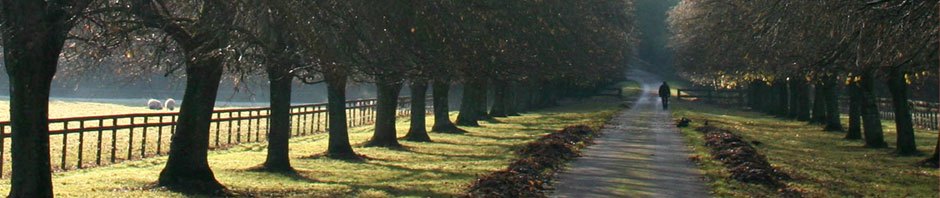
The scent of eucalyptus hangs heavy in the Perth air, a crisp, invigorating aroma that beckons you outdoors. For those of us who’ve traded the fluorescent hum of an office for the gentle rustle of wattle leaves, the call of the wild is irresistible. Perth’s backyard, from the rugged beauty of the Darling Range to the coastal paths overlooking the shimmering Indian Ocean, offers a sanctuary for the remote worker. But as we swap our ergonomic chairs for sun-dappled trails, embracing a local, nuanced approach to bushwalking safety is paramount.
Embracing the Perth Bush: Your Remote Work Oasis
Imagine this: your laptop’s screen glows, but instead of a sterile office wall, it’s framed by the vibrant green of native flora. You’ve found your perfect “office” – a secluded picnic table in Kings Park, or a quiet bench overlooking the Swan River. The freedom is intoxicating, but with this freedom comes a responsibility to ourselves and the environment we’re enjoying.
Perth’s proximity to stunning natural landscapes means we can easily escape the digital confines. From the ancient granite outcrops of the Serpentine Dam to the winding trails of the John Forrest National Park, adventure is never far. These aren’t just scenic backdrops; they are dynamic ecosystems that require respect and preparedness.
The Local Pulse: Understanding Perth’s Unique Bushwalking Risks
What makes a local approach different? It’s about understanding the subtle shifts in weather, the behaviour of local wildlife, and the specific terrain that defines our Western Australian bush. It’s not just about generic advice; it’s about Perth-specific wisdom.
Weather Wisdom: Perth’s Fiery Summers and Unpredictable Winters
Perth summers are legendary for their heat. Temperatures can soar, turning a pleasant stroll into a dangerous dehydration risk. Always check the Bureau of Meteorology (BOM) forecast before you set out. Even on cooler days, the sun can be deceptively strong.
- Hydration is Non-Negotiable: Carry more water than you think you’ll need. Electrolyte drinks are a lifesaver on longer walks.
- Sun Protection is Key: A wide-brimmed hat, sunglasses, and high SPF sunscreen are your allies against the harsh UV rays.
- Timing is Everything: Plan your walks for early morning or late afternoon during the warmer months. Avoid midday sun.
Winter brings its own set of challenges. While generally mild, unexpected downpours can transform dry creek beds into fast-flowing torrents, and trails can become slippery and muddy. Waterproof gear and sturdy footwear are essential.
Terrain Tales: Navigating Perth’s Diverse Landscapes
From the sandy coastal paths near Rottnest Island (though technically not bushwalking, the principle applies to coastal trails) to the rocky, undulating terrain of the Darling Scarp, Perth’s walks are varied. Understanding the ground beneath your feet is crucial.
- Footwear Fundamentals: Invest in good quality, broken-in hiking boots with excellent grip. You’ll thank yourself when navigating loose scree or slippery roots.
- Trail Awareness: Stick to marked trails. They are designed for a reason, often to prevent erosion and guide you safely.
- Know Your Limits: Don’t attempt trails that are beyond your fitness level or experience. Start with shorter, well-maintained paths.
Wildlife Encounters: Respecting Our Native Neighbours
Perth’s bush is alive with creatures great and small. While most are shy and will avoid you, it’s important to be aware. Kangaroos are common in many national parks, and while generally placid, they can be unpredictable if startled.
Snakes are also a reality. The dugites and pythons are part of the ecosystem. The best advice? Keep your eyes on the path, wear sturdy boots, and give any snake you see plenty of space. They are more scared of you than you are of them.
The Remote Worker’s Safety Toolkit: Essential Gear and Smarts
As remote workers, our offices are mobile, and so should be our safety preparedness. Think of your backpack as your mobile command centre.
Your Essential Bushwalking Pack for Perth
- Communication is Crucial: A fully charged mobile phone is a must. Consider a portable power bank. In areas with no reception, a personal locator beacon (PLB) is a wise investment.
- Navigation Aids: Don’t rely solely on your phone’s GPS. A physical map of the area and a compass, and knowing how to use them, are invaluable skills. Many local parks offer downloadable trail maps.
- First-Aid Fundamentals: A well-stocked first-aid kit for common injuries like blisters, cuts, and sprains is essential. Know how to use its contents.
- Emergency Essentials: A whistle, a small emergency blanket, and a lighter or waterproof matches can be lifesavers in unexpected situations.
- Snacks and Sustenance: Pack high-energy, non-perishable snacks like nuts, dried fruit, and energy bars.
Leveraging Local Knowledge: Your Best Safety Resource
The beauty of a local approach is tapping into the collective wisdom of those who know the bush best.
- Inform Someone of Your Plans: Tell a friend or family member where you are going, your intended route, and when you expect to return. This is non-negotiable.
- Check Local Conditions: Before heading out, check the website or social media of the park you’re visiting for any trail closures, fire bans, or specific warnings. Parks and Wildlife Service WA is a great resource.
- Join Local Walking Groups: Many Perth-based walking groups are incredibly knowledgeable and often share safety tips and local insights.
- Observe and Learn: Pay attention to signage and any advice given by park rangers or local authorities.
Bushwalking in Perth as a remote worker is an unparalleled way to blend productivity with well-being. By adopting a local, informed, and prepared approach, you can confidently embrace the restorative power of our stunning natural landscapes, ensuring your adventures are as safe as they are rejuvenating.